


6 Simple Strategies to Boost Finance Team Efficiency

Boost your finance team's efficiency with these 6 key strategies for 2024. Learn how to identify bottlenecks, embrace paperless processes, optimise workflows, create transparency, choose the right tech stack, and measure outcomes for continuous improvement.

6 Simple Strategies to Boost Finance Team Efficiency

Finance teams face numerous challenges in optimising their workflows, such as streamlining processes, eliminating bottlenecks, and enhancing productivity. The role of finance teams becomes even more critical in steering businesses towards success. Automated tools for accounting, vendor, and expense management can significantly improve their efficiency. This blog explores the complexities of finance team management and offers insightful strategies to overcome common hurdles.

Key Strategies to Improve Your Finance Team’s Productivity

Here are six key operational changes businesses need to make to maximise their finance team’s efficiency in 2024.

  1. Identify the Bottlenecks to Productivity

The first step to creating a winning strategy is to identify the strengths and weaknesses of the current and previously employed strategies. It’s crucial to build on strengths and eliminate weaknesses to develop strategies backed by experience and data.

Common weaknesses observed among finance teams today include:

  • Over-reliance on manual data entry for repetitive tasks like invoice processing and data input, which is time-consuming and error-prone.
  • Paper-based processes that hinder flexibility in remote work environments and delay important documentation sharing.
  • Insufficient integrations between different financial processes, leading to inefficiencies and data silos.
  • Cumbersome and slow approval processes for expenses and receipts, disrupting cash flow.
  • Insufficient emphasis on asynchronous communication, leading to delays in coordination.

Once you’ve identified your finance team’s weaknesses, systematically root them out.

  1. Embrace Paperless Expense Management

While paper has been a cornerstone of commerce, its drawbacks are numerous. Paper records are perishable, prone to damage or misplacement, hard to share with remote teams, come with storage and security costs, and create waste. The digital revolution, through cloud solutions and automation, has addressed these issues.

Using digital scanners and camera apps, opt for electronic versions of documents like invoices, receipts, and expense claims. Digitising paper processes makes all documents immediately accessible to your team via cloud computing and allows efficient expense tracking.

  1. Unlock Insights and Optimise Workflows

Automation and the delegation of repetitive tasks to expense management software define finance efficiency today. Automation won’t replace finance teams but will make their jobs easier and more productive. Accounting tools like Xpence can handle tasks such as:

  • Data Entry
  • Invoice Processing
  • Expense Tracking
  • Receipt Tracking
  • Bank Reconciliation
  • Payroll Processing
  • Accounts Receivable
  • Tax Preparation
  • Inventory Management
  • Financial Analysis and Credit Control
  • Compliance Monitoring
  • Vendor Management
  • Accounts Payable
  • Financial Reporting
  • Budget Monitoring

While Xpence excels in many areas, some tasks like cash management, financial planning, and audit preparation require human oversight.

  1. Create a Culture of Transparency

Asynchronous communication tools become indispensable for remote finance teams. This form of collaboration does not require real-time interaction, ensuring updates, information, and discussions are organised and accessible in one place. Platforms like Xpence Teams allow seamless communication of spending limits and budget constraints without meetings or lengthy email chains.

  1. Choose the Right Tech Stack for Efficiency

The market offers countless tools to automate business processes, access centralised data, and communicate seamlessly. However, picking the right tech stack is crucial:

  • Ensure it fits your industry.
  • Supports integration with existing tools.
  • Fits your budget.

Xpence’s tech stack, focusing on SMEs in the UAE and Bahrain, includes:

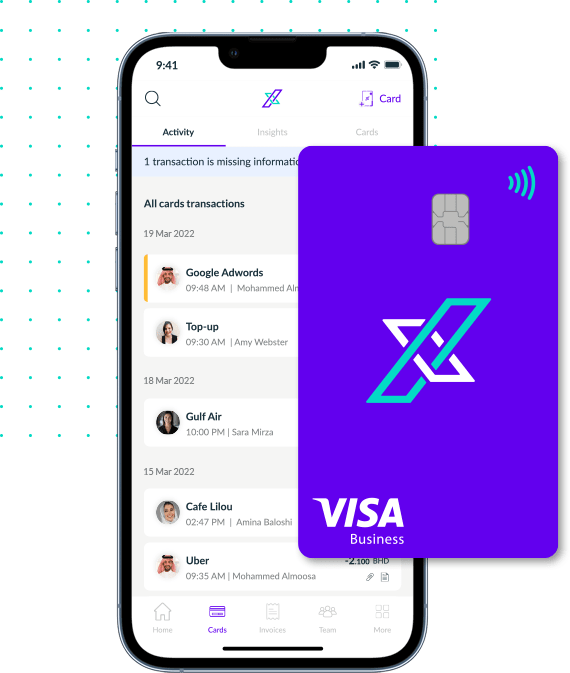
The Xpence app integrates these tools to automate processes end-to-end, making it ideal for startups.

  1. Measure Outcomes and Continually Improve

Once your new finance efficiency strategy is in motion, systematically monitor and measure its impacts to make iterative improvements. Consider questions like:

  • How much time was saved?
  • How much money was saved?
  • How many errors were made?
  • Did employees require additional training?
  • Were there communication barriers?
  • Were KPI targets met?

Implement feedback mechanisms to gather insights from team members and use this input for continuous improvement.

Final Thoughts

Optimising financial workflows is an ongoing commitment. Implementing these strategies is a step towards improving organisational efficiency. These simple yet powerful strategies can help finance teams overcome challenges and pave the way for a more agile, transparent, and successful future.

The Petty Cash Box: Understanding Procedures for SMEs and Corporates

Petty Cash Management

The Petty Cash Box: Understanding Procedures for SMEs and Corporates

A petty cash or money box is essential for every office. Nobody wants to swipe the company credit card every time new paperclips are needed, or the coffee machine runs out of filters. While online banking has its advantages, cash remains the most convenient option for small, repetitive transactions.

However, managing petty cash expenses can be an administrative burden. On the one hand, you need to ensure these funds are used solely for company expenses. On the other, it’s crucial to show your employees that you trust them with this responsibility.

In this article, we’ll explore the imprest system, traditionally used by businesses, and how modern technology can help overcome the challenges of traditional petty cash management.


What are petty cash expenses?

“Petty cash” and “money box” are often used interchangeably, both referring to the funds kept on hand for minor or incidental expenses. Below is a quick petty cash expense list for reference:

  1. Office stationery – books, pens, pencils, staplers, erasers, etc.
  2. Postage stamps
  3. Courier charges
  4. Refreshments such as tea and coffee
  5. Cab fare for employees
  6. Batteries
  7. Minor repairs
  8. Reimbursements
  9. Office decor
  10. Printing and copying

According to the Financial Policy Office at Harvard University, petty cash funds should generally be used for expenses under $50, extending to $100 for human subject payments. This can serve as a useful guideline for SMEs, though there are no strict rules. The benchmark for what constitutes a petty cash expense is up to you, depending on the size of your office and the number of employees.

The imprest system: how does the petty cash box work?

Here’s a quick breakdown of how the imprest or float system operates:

  1. The office starts with a fixed petty cash balance at the beginning of each month, say £1000, to cover small transactions. This is known as the imprest or float amount.
  2. Team members withdraw money from the box as needed for office supplies, such as duct tape or new batteries, and report each expense.
  3. At the end of the month, your accountant checks the remaining cash in the box and tallies it with the expense reports.
  4. The balance is restored to the original imprest amount of £1000 for the next month, and the process repeats.

Although the imprest system simplifies certain aspects of cash management, it’s becoming outdated in the era of electronic payments.

Problems with the imprest system

While the imprest system offers some benefits, it also comes with several downsides:

  1. Increased Recordkeeping: Proper documentation of every expenditure is crucial for transparency, making this system time-consuming.
  2. Risk Factor: Cash carries a risk of mismanagement or mishandling since there’s no way to trace each transaction.
  3. Unsuitable for all expenses: Some small expenses, such as subscriptions, may require online payments, which a traditional imprest system cannot accommodate.
  4. Security Concerns: Even if stored in a money box and locked away, physical cash puts the office at risk of theft or loss.
  5. Inconvenience: It requires administrative effort to finalise the imprest amount every cycle, document expenses, obtain approvals, and secure the necessary funds.

Virtual prepaid cards: a safer alternative to petty cash

Given the administrative challenges and risks associated with traditional cash management, businesses are now exploring alternative methods. Virtual prepaid cards have emerged as a top contender due to their minimal downsides.

Xpence’s Virtual Debit Cards, or Virtual Prepaid Cards, operate like digital wallets. You can issue as many as needed, load them up, and share them with your employees at the push of a button. The best part? They can never be misused or stolen.


Key Features

  • Unlimited virtual cards: You can issue as many cards as you need to as many parties as you please.
  • One-time use: Having one-time-use cards significantly curbs the risk of fraud.
  • Apply spending limits and controls: Ensure funds are being used appropriately.
  • Real-time tracking: The Xpence app lets you monitor all your team’s spending from one place with real-time insights.
  • Integration with automated bookkeeping: Xpence’s automated bookkeeping solution handles the admin side of things for you, even when you’re sleeping.
  • Instant issuance: New cards can be created in just a few clicks.
  • Hassle-free transactions: Enjoy seamless transaction processing using Xpence’s user-friendly mobile app.

Have a prepaid card inquiry?

Book your demo today, and we’ll answer every question about how this works.

Final thoughts

To recap, petty cash expenses refer to the small, frequent payments offices must make daily. The imprest or float amount is the cash balance that needs to be restored at the end of every month.

While the traditional petty cash system has its merits, the risks and challenges associated with it are increasingly less justifiable. With technologies like virtual cards now more accessible to small firms, reliance on physical cash is diminishing.

Managing Employee Expense Advances: A Complete Guide

Managing company employee expenses_ a complete guide

Managing Employee Expense Advances: A Complete Guide

It can be a bit unnerving for managers when employees request a cash advance for expenses, especially if they’re new. Offering cash in advance for expenses is undoubtedly a risky gambit.

But at the same time, these requests often come from a very genuine place. Employees cannot always be expected to handle expenses on the company’s behalf, regardless of the size of the amount. It’s also possible they’re worried about not being reimbursed on time.

Arriving at a reasonable middle ground becomes paramount when the lack of faith goes both ways.

Expecting employees to cover business expenses with personal funds may not be ideal, but cash advances come with risks. This guide will help you find the perfect balance between trust and accountability.


What is a prepaid expense?

As the name implies, a prepaid expense refers to funds paid upfront for approved business expenses.

Settling major expenses with service providers beforehand spares the need to offer employees an expense advance or ask them to use their funds. It also saves businesses the trouble of handling reimbursement claims or approving new employee credit cards.

If prepaying expenses saves you the headache, it’s worth it. But if it’s not feasible, you’ll have to consider one of the two options – cash advances or employee spending cards.

Employees may make the occasional provision and pay business expenses out of their funds (expecting compensation later). However, no matter how small the amount or how soon a business can reimburse them, this practice can be seen as unfair to employees.

Especially if it’s a frequent occurrence.


Understanding cash advances for business expenses

Traditionally, businesses provide their employees with physical cash for upcoming expenses. This transaction cannot be treated as a prepaid expense even though the amount is deducted from the firm’s cash account because, technically, the expense hasn’t been paid yet.

Considering the risks associated with offering cash in advance for expenses, it’s hard to be sure the funds will be used for their intended purpose. If they aren’t, the transaction becomes a loss or bad debt, and the expenses those funds were supposed to cover can become a liability.


What is a cash advance request?

Although credit cards have been in the picture for a long time, companies cannot entrust all employees with a credit card. Typically, only a few appointed managers are entrusted with a company credit card, and employees must request approval before using it.

In scenarios involving a series of petty cash expenses, employees are likely to prefer receiving a cash advance instead of going through an approval process for every payment.

Although employees are expected to keep a strict record of all their cash expenses, there’s no way for firms to monitor how their funds are being used.


The challenges of traditional cash advances

Cash advances can be incredibly stressful and challenging for businesses to manage as a long-term practice for the following reasons.

  • Security risk: Physical cash is prone to loss or theft.
  • Tracking and accountability: It’s challenging to monitor spending and reconcile receipts.
  • Potential for misuse: Offering advance funds in cash makes a business vulnerable to unauthorised spending.

Although offering cash advances for business expenses can be challenging, they’re often inevitable. But are company credit cards and expense advances the only options?

Xpence’s prepaid virtual cards: an all-in-one solution

Suppose you want to provide your employees with enough funds to cover business expenses while ensuring that your funds are secure and only be used for approved expenses. In that case, you need to have prepaid cards for business expenses.

How do Xpence’s prepaid virtual cards work?

Xpence’s prepaid virtual cards work like digital wallets. Depending on your needs, you load them up with a specific balance, which can be customized for one-time or lifetime use.


Xpence’s virtual visa card allows you to:

  • Issue new cards and start spending immediately.
  • Issue an unlimited number of virtual cards for all your employees.
  • Issue cards for one-time use to eliminate the possibility of fraud.
  • Monitor all transactions in real time.
  • Apply spending limits and controls to ensure funds are being used appropriately.
  • Reload the balance on your card as needed.
  • Make hassle-free transactions using Xpence’s user-friendly mobile app.
  • Add receipts or notes to transactions for accurate tracking.

Key benefits of Xpence’s virtual card

Xpence’s prepaid virtual cards can’t be stolen, misused, or overused, but the benefits don’t stop at security. They also offer:

  • Live-tracking and spending insights.
  • Improved control over budget and spending.
  • Automated receipt tracking and bookkeeping.
  • Accessibility for remote and overseas employees.
  • Hassle-free transactions.
  • Advanced analytics and reports.

Getting started is easy. You simply need to submit the account opening form to apply for a virtual card; Xpence’s virtual card can help you manage your spending in a way never possible.

But never forget that the need for this solution has emerged from a damaged sense of trust and responsibility from employers and employees.

At the end of the day, collaboration, trust, and mutual gain will always remain the core pillars of a positive long-term relationship between managers and teams.

Let’s discuss some measures you can adopt to improve team cohesion and financial transparency.

Establishing clear policies and procedures

If you cannot offer a cash advance or a prepaid card for business expenses, your contract with your employees should include a comprehensive policy for reimbursable expenses.

This ensures that if employees use their funds for company expenses, they are appropriately reimbursed under taxation laws. It also ensures that the employees adhere to the firm’s expense policies.

Developing a comprehensive cash advance policy

If companies opt to front physical cash for business expenses, their expense policy must outline the following:

  • Eligibility: Includes the expenses or expense criteria eligible for a cash advance.
  • Approval processes: The stages of approval for budgets, foreseen and unforeseen expenses, and the chain of command.
  • Spending limits: This can include both upper and lower limits if the business has a strict quality standard to uphold.
  • Reporting requirements: This includes the format and timeliness with which employees must report their expenses.
  • Expectations: A set of guidelines that employees should aspire to follow to improve budget efficiency.

Monitoring and accountability

Implementing systems to monitor funds provided in advance of expenses is essential. Regular audits and accountability measures can help prevent misuse or theft of funds. In large and multinational companies, this typically falls into the job description of a financial controller.

But in SMEs and startups, this function, or rather, headache, tends to fall on founders or top-level managers with other responsibilities weighing them down.

Automated Bookkeeping software isn’t a substitute for a financial controller but can spare small business owners time and stress when trying to scale.


Final thoughts

To summarise, businesses can navigate expense advance challenges by implementing clear policies, leveraging modern tools like Xpence’s prepaid virtual cards, and exploring alternative expense management solutions.

Businesses must never lose sight of the primary goal, which is to strike the perfect balance between trust and accountability.

How to Simplify Corporate Travel Management

How to Simplify Corporate Travel Management

How to Simplify Corporate Travel Management

Planning an out-of-town or overseas trip for yourself is a complex process. Planning one for your entire team is not only complex but also draining and costly if not managed carefully. While travel agencies promise to simplify things, their fees can strain the company’s budget and often create more problems than they solve.

Large companies often have a specialist manager appointed for corporate travel and employee spending. This saves time and avoids the hassle of dealing with agencies when planning an impromptu trip. However, small-to-medium-sized enterprises (SMEs) often struggle with the complexities of travel management, especially in today’s market where automated solutions are becoming more prevalent. This article explores the inherent challenges in corporate travel management and offers solutions to simplify the process.

What makes corporate travel management complicated

If it weren’t for corporate travel management software, startups and SMEs would have no choice but to rely on low-tier agencies or overburden their managers. But before we dive into solutions, let’s first discuss the factors that make corporate travel management complex and mentally exhausting.

Logistics and coordination

This involves coordinating multiple employees’ travel schedules, finding suitable flights or trains, ensuring everyone arrives at the destination on time, and making sure the accommodations meet their comfort and safety expectations. As you can imagine, the more employees you have, the more stressful this part of the process becomes. Shortcomings in interdepartmental communication, such as between the HR team and the Travel Manager regarding pre-planned leave, can increase the margin for error.

Visa and immigration issues

Visa and immigration issues can be particularly tedious for companies with a diverse pool of employees. Visa regulations vary from country to country depending on the passports held by your employees. For example, European passport holders may have an easier time travelling across Europe than American passport holders. Additionally, immigration laws are subject to change and can evolve on short notice.

Managing costs

Every corporate travel manager aims to strike the perfect balance between providing employees with comfortable travel arrangements and lodging while adhering to budget limitations. This requires establishing clear and transparent policies for allowable expenses and implementing a system to ensure adherence to them.

The first step is determining a suitable budget based on estimated financial projections. The hard part, however, comes later when you must allocate your budget to various categories of expenses, ensure adherence to spending policies, and monitor them. Fortunately, this part of the process can be streamlined using automated bookkeeping software.

Xpence offers an unparalleled user experience for accountants, data security, spending insights, reports, and auto-categorisation of payments within its price range. To get started, you only need to open an Xpence account.

Special requests

It’s not uncommon for companies with regular business trips to be overburdened with special employee requests. Employees have unique dietary preferences, religious calendars, privacy concerns, and other special requirements that must be considered. It is always in any company’s best interest to accommodate every employee’s needs efficiently, but this is easier said than done.

It is nearly impossible for founders to manage all special requests on time while also overseeing other aspects of business development. SMEs are increasingly turning to corporate travel management software for solutions, which we will explore shortly.

Managing expense reimbursement

Reimbursable expenses include costs that a business expects to recover, such as travel for a business trip. Non-reimbursable expenses are those that don’t qualify for recovery. The often cumbersome process of identifying which expenses qualify for reimbursement can be streamlined by implementing efficient systems. Leveraging digital tools such as corporate expense cards to automate expense tracking reduces administrative burdens and ensures timely and accurate reimbursements.

Technology and connectivity

Ensuring that employees can communicate seamlessly while on the move is paramount. Providing reliable communication tools and addressing data security concerns are essential for maintaining a connected and secure business environment.

Emergency preparedness

Emergency preparedness is an often overlooked aspect of corporate travel management. Companies need to identify potential risks at the destination and be aware of factors such as political instability or a looming economic crisis before booking any tickets. Adopting a proactive approach is essential. Companies must have various emergency response protocols and contingencies in place from the outset.


Environmental considerations

Environmental consciousness and sustainability are growing concerns. Companies with emissions targets must consider the carbon footprint of each business trip and follow eco-friendly practices to minimise it.

What solutions are companies using to manage corporate travel?

The challenges arising from corporate travel can be crippling for businesses that are unprepared or lack assistance. It cannot be understated.

The pillars of modern travel management are trust, transparency, simplicity, care, and sustainability. Businesses without an experienced, designated travel manager have opted for one of three solutions:

Booking sites

Booking sites are relatively simple and straightforward to use. They’re not designed to accommodate corporate needs but can offer a large enough range of services to help corporates make all their bookings in one place, from flights to hotels and local transit.

Travel agencies that specialise in business trips

Traditional travel agencies tend to specialise in leisure trips, but there are several with expertise in corporate travel management. Some agencies offer an online booking tool, while others may provide in-person consultations. The quality of service and cost can vary greatly from agency to agency, making it difficult to judge whether they provide a foolproof solution at a reasonable price. One major drawback of hiring travel agencies is the above-market price you’d have to pay for everything from transport to accommodation.

Travel management software

Travel management software is the future of corporate business travel management. These tools are designed with both employers and employees in mind, helping to balance providing comfortable travel arrangements and lodging with adhering to budget limitations. However, it is important to remember that not all tools are created equal. Some tools may be excellent but might not be the right fit for your business. It’s essential to find software that precisely meets your company’s needs. You can do this by exploring our top 2023 business travel management software choices.

Final thoughts

It goes without saying, but neither jeopardising employee safety and comfort nor exceeding the budget is sustainable for any business. The goal must always be to strategically avoid both scenarios. Simplifying corporate travel management is a significant challenge, but it is attainable. The key lies in carefully evaluating your company’s and employees’ needs and always choosing the solution that best meets both to a reasonable degree.